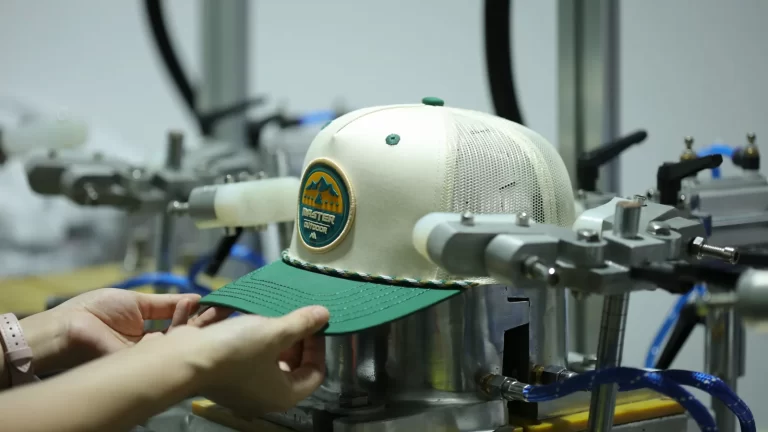
How to Inspect Custom Headwear Quality: A Buyer’s Guide
Use this practical custom headwear inspection checklist to review specifications, samples, materials, construction, decoration, measurements and packing.

High-quality custom headwear is not defined by one fabric, one stitch count or one final inspection. A useful custom headwear quality inspection starts with an approved specification and reference sample, measurable tolerances, clear defect definitions and a documented method for checking materials, construction, decoration, fit and packing. This guide provides a practical framework for building that inspection plan.
The checklist is designed for brands, wholesalers, distributors and promotional-product buyers developing custom caps or hats. It can be adapted to the product, destination market and risk level of each order. It does not replace a buyer’s legal, laboratory or compliance requirements.
Quick answer: how do buyers evaluate custom headwear quality?
Start by converting the design into an approved product specification. Confirm a physical sample or another agreed reference, then inspect production against the same requirements. A useful review covers five areas: materials and color, crown and visor construction, measurements and fit, decoration and branding, and packing and labeling. Record the sampling method, tolerances, defect classes and corrective-action process before bulk production begins.
1. Build the quality standard before requesting production
A supplier cannot inspect consistently against a description such as “premium cap” or “good embroidery.” Those terms are subjective. The working standard should describe the product in observable or measurable terms.
- Product construction: cap or hat type, panel count, crown structure, profile, visor construction, closure and size.
- Materials: fiber content, fabric reference, weight or construction where relevant, color reference, mesh, sweatband, backing and trims.
- Decoration: method, artwork version, dimensions, placement, colors, backing, edge treatment and acceptable appearance.
- Measurements: measuring method, target values and tolerances for the crown, circumference, visor, closure and decoration.
- Brand details: labels, seam tape, hangtags, stickers, packaging and carton marks.
- Order requirements: quantity and assortment by style, color and size, plus any buyer-specified testing or documentation.
If the structure and fit are not yet settled, use the cap shape and fit guide before approving a sample. Decoration should also be selected with the fabric and crown structure in mind; the decoration options guide explains the main process families.
2. Approve a reference sample and freeze the specification
A physical approval sample brings the written specification, materials and workmanship together. Review it in the intended wearing position and under useful lighting. Photograph key details, record measurements and identify the exact artwork and material references used.
After approval, create a controlled record. Changes to fabric, color, decoration, trims, fit, packing or quantity should be documented rather than agreed through scattered messages. The supplier and buyer should be able to identify which specification and sample govern production.
3. Inspect fabric, color and components
Material review begins with identity and consistency, not a generic claim that one fiber is always better. Cotton, polyester, nylon, blends, mesh and performance-oriented fabrics can all be suitable when they match the product brief.
Fabric and shade checks
- Compare fabric appearance and hand feel with the approved reference.
- Check shade under consistent lighting and against the agreed physical or color reference.
- Look for marks, holes, contamination, uneven finish, unwanted creases or visible weaving defects.
- Confirm any required composition, weight, finish or test documentation for the buyer’s program.
- Separate normal material variation from limits that would affect the product’s appearance or use.
Components and trims
- Verify the visor insert, sweatband, mesh, closure, eyelets, button, rope and internal backing.
- Check that metal, plastic, hook-and-loop, elastic and buckle components match the approved type and color.
- Review labels, seam tape, hangtags and packaging against the approved artwork and placement.
- Confirm buyer-required safety or restricted-substance evidence separately; appearance review alone is not proof of compliance.
4. Check crown, seams, visor and closure construction
Place the headwear on a suitable form or review it as it will be worn. A cap can meet individual measurements yet still look uneven if panel shaping, seam alignment or visor attachment varies.
- Crown: compare profile, symmetry, panel shape and front structure with the approved sample.
- Seams: check alignment, skipped stitches, loose threads, puckering, open seams and unwanted needle marks.
- Visor: confirm length, width, curve, stiffness, edge shape, stitching rows and centered attachment.
- Closure: operate it through its useful range and check alignment, attachment and exposed sharp or rough areas.
- Interior: inspect sweatband attachment, seam tape, backing, labels and finishing.
- Cleanliness: look for oil, adhesive, chalk, loose thread, dust, odor or handling damage.
5. Measure fit and critical dimensions consistently
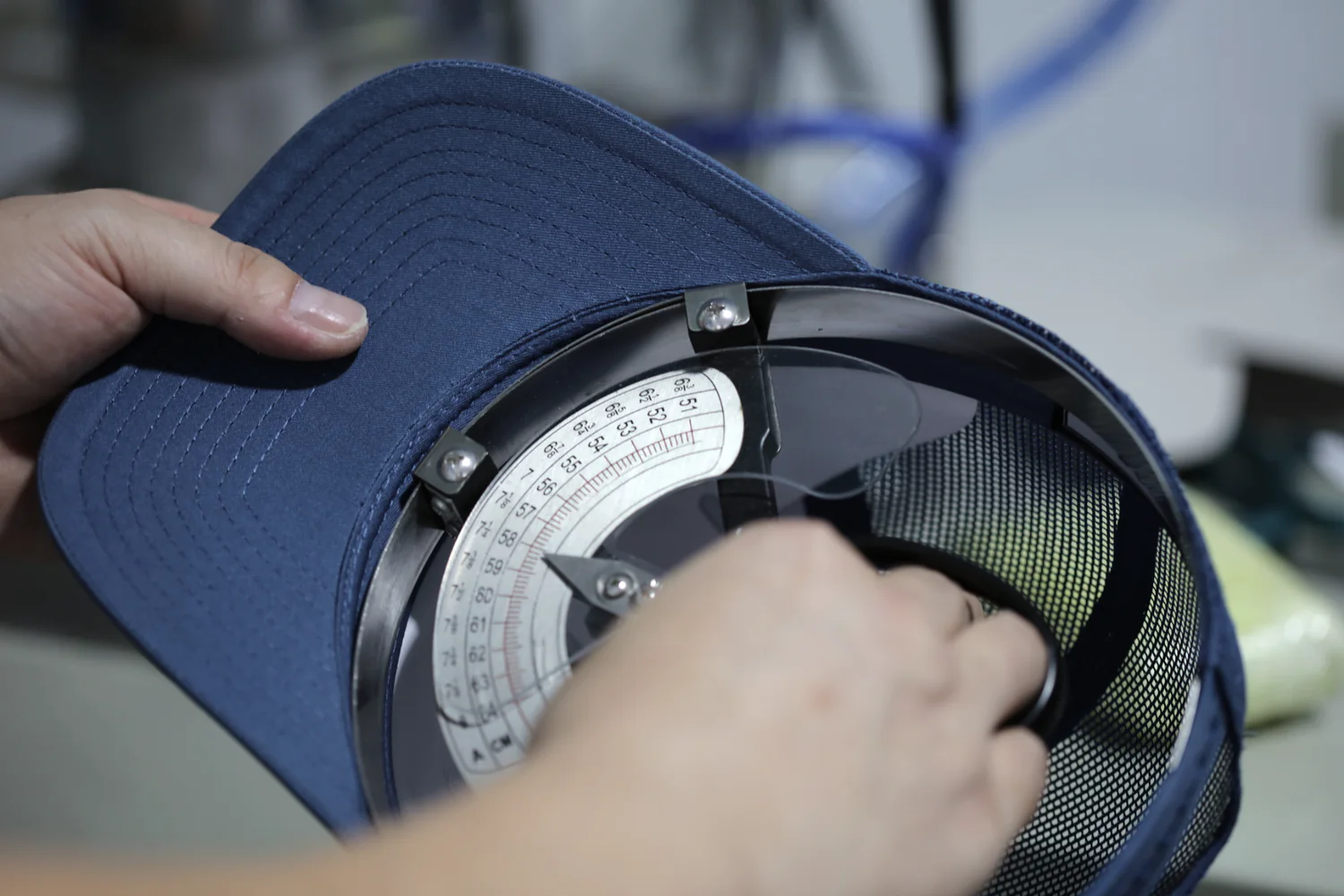
Measurements are useful only when everyone uses the same method. Define the measuring points, whether the product is relaxed or tensioned, the tool used and the permitted tolerance. Do not compare results taken with different techniques.
| Area | Example check | What to define first |
|---|---|---|
| Crown | Height and profile at agreed points | Product position and measuring points |
| Opening | Inside circumference or flat measurement | Closure position and applied tension |
| Visor | Center length, width and curve | Flat or shaped measuring method |
| Decoration | Width, height and distance from seams | Artwork boundary and placement reference |
| Labels | Size and location | Reference seam or center line |
Where fit is important, combine measurements with an approved wearing or form-based assessment. Record the size standard and intended user rather than relying only on labels such as adult or one size.
6. Inspect embroidery, patches, printing and branding
Decoration quality depends on artwork, material, position and cap structure. Review it against the approved sample at normal viewing distance and close range.
- Confirm the correct artwork version, wording, orientation and colors.
- Measure overall size and placement from agreed reference points.
- Check registration, coverage, edges, surface distortion and unwanted marks.
- Inspect embroidery for legibility, thread condition, density appropriate to the design and controlled backing.
- Inspect patches for shape, edge finish, attachment and alignment.
- Inspect printing or transfers for coverage, registration, adhesion and visible damage.
- Check that decoration does not interfere with seams, closure operation, comfort or intended packability.
Durability, colorfastness, adhesion, weather resistance and other performance statements require an agreed test or evidence standard. A visual inspection cannot establish those claims.

7. Define the sampling plan and defect decisions
The buyer and supplier should agree how many units will be checked, how samples are selected and what happens when a defect is found. The plan may vary by order value, product complexity, prior performance and buyer requirements.
Use practical defect classes
- Critical: a condition that may create an unacceptable safety, legal or essential-use risk under the buyer’s approved definition.
- Major: a defect likely to affect saleability, function, fit, branding or the approved appearance.
- Minor: a smaller workmanship variation that does not materially affect use but exceeds the agreed standard.
Define examples for the actual product. If results exceed the agreed limit, record the affected units, isolate the issue, identify its cause and agree rework, replacement, reinspection or another documented disposition. Avoid vague instructions such as “make it better.”
8. Check quantity, assortment, labels and packing
- Count units by style, color and size against the approved order.
- Verify barcode, care, fiber, country-of-origin and other buyer-specified labels.
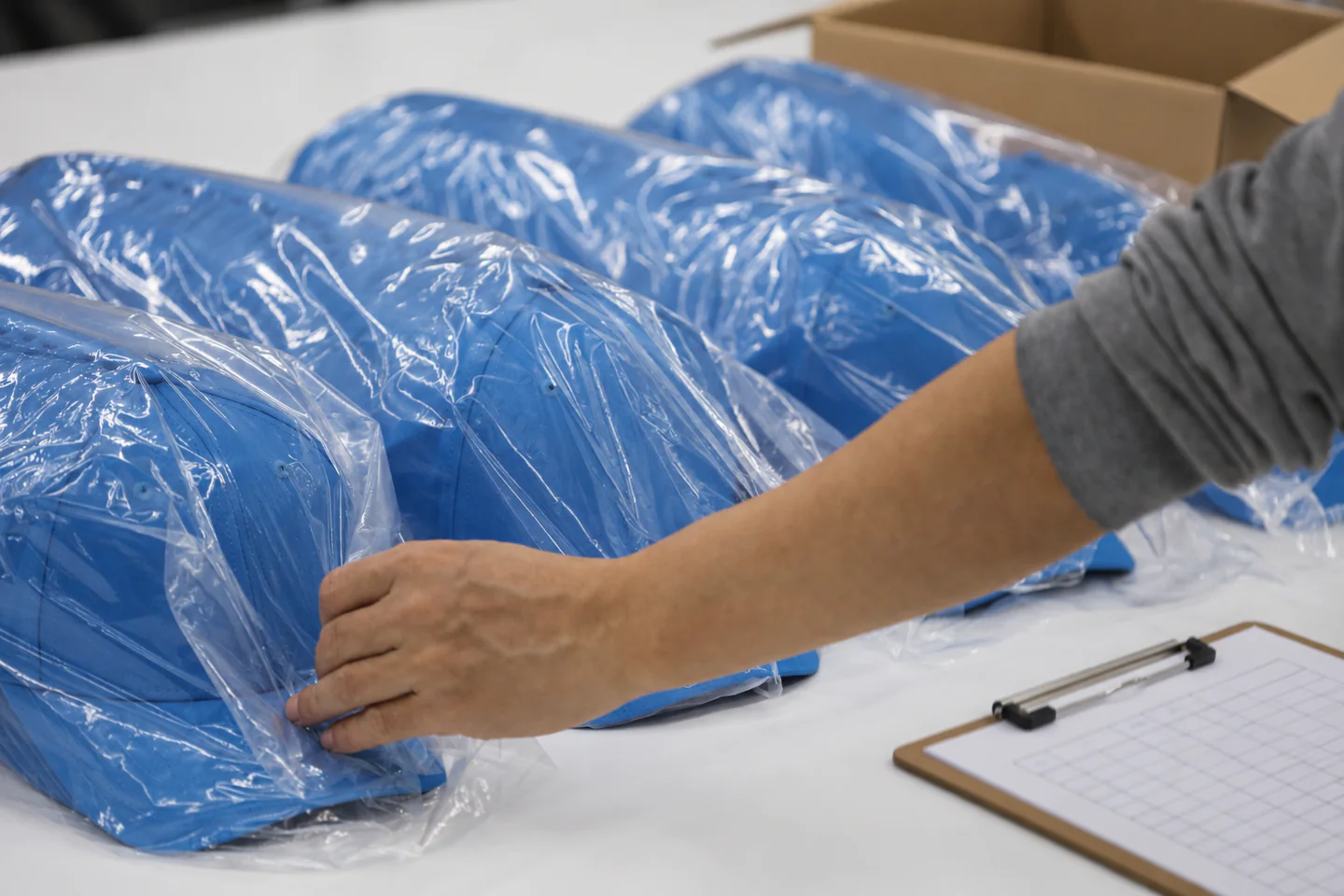
- Confirm folding, inserts, polybags, tissue and individual packing instructions.
- Review carton quantity, dimensions, marks, assortment and protection.
- Check that moisture protection or special handling requirements are documented when applicable.
- Photograph packed units and carton markings for the shipment record.
Buyer checklist: information to approve before bulk production
- Final product specification with revision number and date.
- Approved physical sample or clearly defined alternative reference.
- Material, color, component and decoration references.
- Measurement method, target dimensions and tolerances.
- Required tests, documents and responsible party.
- Sampling method, defect definitions and decision rules.
- Quantity and assortment by style, color and size.
- Labels, packaging, carton marks and shipment instructions.
- Change-approval and corrective-action contacts.
How to compare supplier quality systems
Ask each supplier to demonstrate how product requirements move from quotation and sampling into production records and inspection. Useful evidence may include a sample specification, measurement sheet, defect examples, inspection record, change log and corrective-action form. Confirm that the documents apply to the product and site under review.
MasterCap’s 2026 company catalog states that the company was established in 1997, lists production factories in Dongguan, Ganzhou and Zhangjiagang, and gives a standard MOQ reference of 100 pieces per style, color and size. Treat the MOQ as a planning reference subject to materials, processes and specification review. MasterCap has confirmed that BSCI audit documentation is available for buyer due diligence; buyers should request the current report applicable to the production site involved. Amfori’s producer guidance describes BSCI as a site-specific monitoring activity requested through an amfori member, so it should not be treated as a product certification.
To discuss a project, prepare the specification, artwork, quantity, destination and required evidence, then send a custom headwear inquiry. You can also review the product range and the custom order process before requesting a sample.
Frequently asked questions
Is a final inspection enough to control custom cap quality?
No. Final inspection can identify finished-product issues, but it cannot replace a clear specification, material confirmation, sample approval and production-stage controls. The inspection plan should match the risks of the product and order.
What is a golden sample?
It is an approved physical sample used as a visual and construction reference for production. It should be linked to the final specification and artwork revision. Written measurements and tolerances are still needed because a single sample cannot define every acceptable variation.
How should buyers define acceptable defects?
List product-specific examples and classify them by their effect on safety, compliance, function, fit, branding and appearance. Agree the sampling and decision rules before production rather than debating them after goods are complete.
Does an audit prove that every cap meets the specification?
No. A social or management-system audit and a product inspection answer different questions. Buyers should review the scope and date of any audit and separately define product specifications, tests and inspection requirements.
Sources and further reading
- ISO 28590:2017 — introduction to the ISO 2859 series: official overview of attribute-sampling systems and selecting an inspection system.
- Amfori producer guidance for requesting a BSCI audit: official context for the site-specific monitoring process and responsible member.
Custom Headwear Support
Need help building your next cap collection?
Talk with MasterCap about OEM caps, sample development, materials, decoration options and production planning for your brand.

Related Posts