How to Choose Custom Cap Materials: A Buyer’s Fabric Guide
Compare cotton twill, polyester, nylon, mesh, textured fabrics and knit yarns for custom headwear. Use the buyer checklist before sampling.
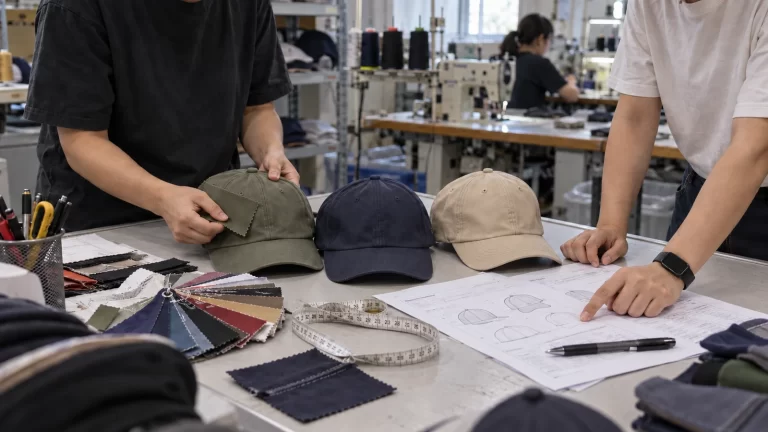
The best custom-cap material is the one that works with the intended silhouette, use, decoration, color, quantity and evidence requirements. Start with a physical fabric reference and a clear product brief, then approve the material on a finished sample. Fibre names alone do not establish hand feel, structure, breathability, durability or regulatory compliance.
This guide helps brand teams, promotional-product buyers and sourcing managers compare practical material directions before sampling. It covers common woven fabrics, mesh and knit yarns, then explains what to document when a project includes performance or sustainability claims. Availability, composition, color and finishing should always be confirmed for the proposed order.
Choose cap material by six connected decisions
- Silhouette and structure: define the cap type, crown profile, front support, visor and closure.
- Use environment: identify whether the product is for everyday merchandise, uniform, fashion, outdoor, sport or cold-weather use.
- Appearance and hand feel: specify smooth, crisp, soft, washed, textured, matte, lustrous or another approved direction.
- Decoration: provide the artwork, placement, size and preferred embroidery, patch, print or transfer method.
- Commercial plan: show quantities by style and color, target price scope and delivery date.
- Evidence: list fibre-content, care, testing, certification and destination-market requirements before quotation.
The same fabric can behave differently after its weight, weave or knit, finish, dyeing and backing change. It can also look different on a structured crown than on a soft unstructured cap. Use the Shape & Fit Guide to define the silhouette before treating material selection as a separate decision.
Quick comparison of common custom-cap material directions
| Material direction | Useful starting point | What to approve on the sample |
|---|---|---|
| Cotton twill | Classic baseball, dad-cap, promotional and casual programs | Weight, surface, color, shrinkage or wash response, crown support and embroidery appearance |
| Polyester or nylon woven fabric | Clean technical styling, lightweight directions or projects with a specified finish | Exact composition, weight, hand feel, opacity, seam behaviour, decoration and any claimed performance |
| Mesh | Trucker backs, ventilation panels or visual texture | Mesh type, hole size, stretch, recovery, softness, color, seam stability and compatibility with the crown |
| Ripstop, canvas or denim | Workwear, outdoor, utility or heritage-inspired collections | Scale of texture, weight, stiffness, wash/finish, seam bulk and logo readability |
| Corduroy or other pile/texture | Seasonal fashion and tactile lifestyle programs | Wale or texture scale, direction, pile response, color shading and decoration edges |
| Knit yarns and blends | Beanies and other knitted headwear | Fibre blend, yarn count, knit structure, stretch, recovery, hand feel, size and care result |
This table gives sourcing starting points, not performance guarantees. Ask for the exact construction and composition that will be used in the sample and bulk order. MasterCap’s Fabric & Yarns page shows current visual references; the sales and development teams should confirm which options are available for the proposed specification.
Cotton twill: familiar appearance with many possible constructions
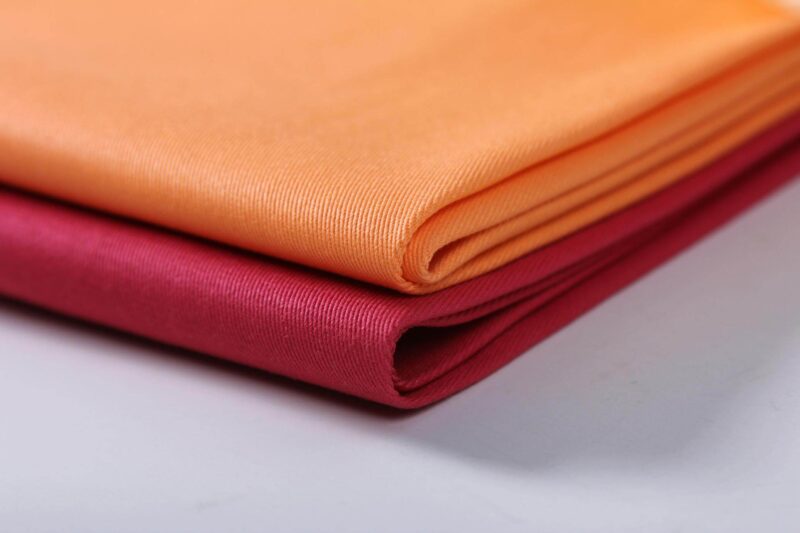
Cotton twill is a useful starting point when the brief calls for a classic woven cap surface. However, “cotton twill” is not one fixed fabric. Weight, yarn, weave density, dyeing, finishing and washing can change softness, color, stability and how the crown holds its shape. A buyer should approve the exact fabric reference rather than relying on the fibre name.
Polyester and nylon: specify the construction and the claim
Polyester and nylon appear in woven shells, mesh, linings and blends. They can support many visual and functional directions, but the generic fibre name does not prove that a cap is moisture-wicking, quick-drying, UV-protective, water-resistant or waterproof. If a product description will make one of those claims, define the required test method, result, reporting scope and responsible material or finished product before approval.
Mesh: choose more than an open-looking surface
Foam-backed trucker mesh, firmer plastic-feel mesh, soft knit mesh and stretch mesh do not fit or recover in the same way. Review the mesh with the front panels, sweatband and closure because those parts determine the complete cap fit. If ventilation is important, evaluate the finished sample rather than assuming all visible holes provide the same result.
Denim, canvas, ripstop and corduroy: texture affects construction
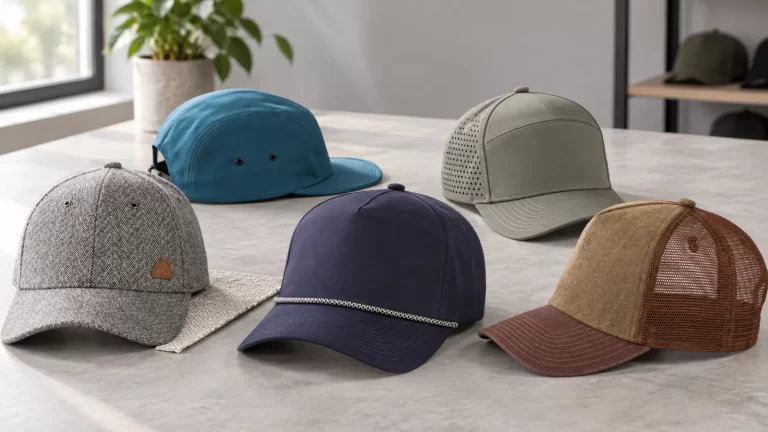
Textured or heavier-looking materials can create a clear fashion or workwear direction. They can also add seam bulk, change crown flexibility and alter the edge quality of a patch or embroidered logo. Corduroy direction, denim washing and ripstop scale should be visible in the approved reference. If a finish is intended to look irregular or worn, define the acceptable range rather than treating every variation as either identical or defective.
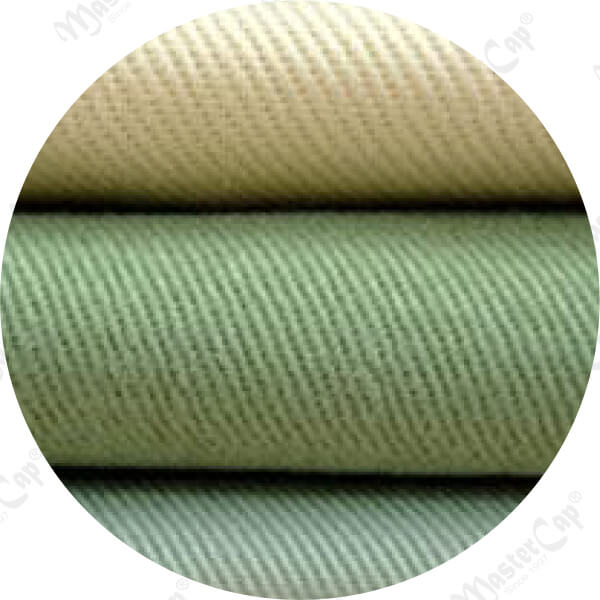
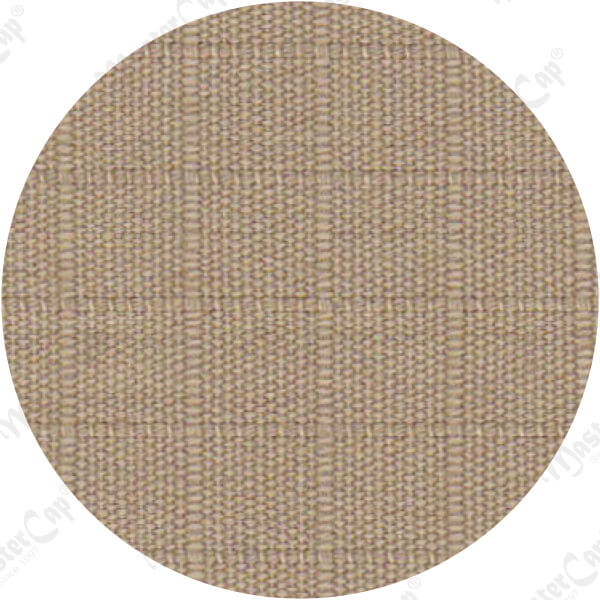
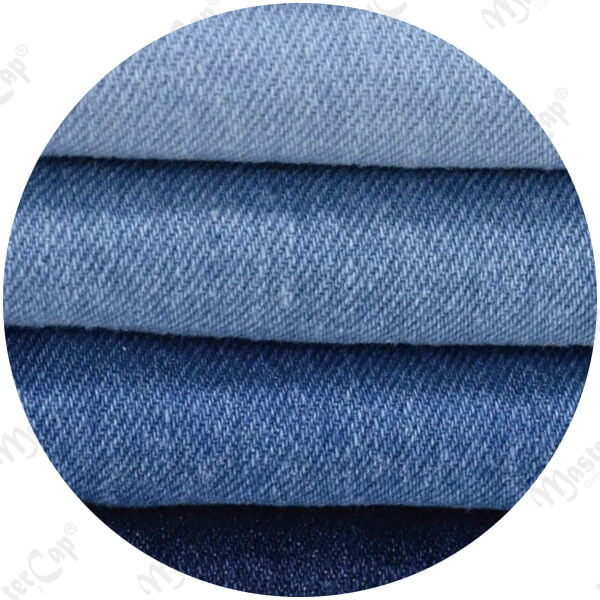
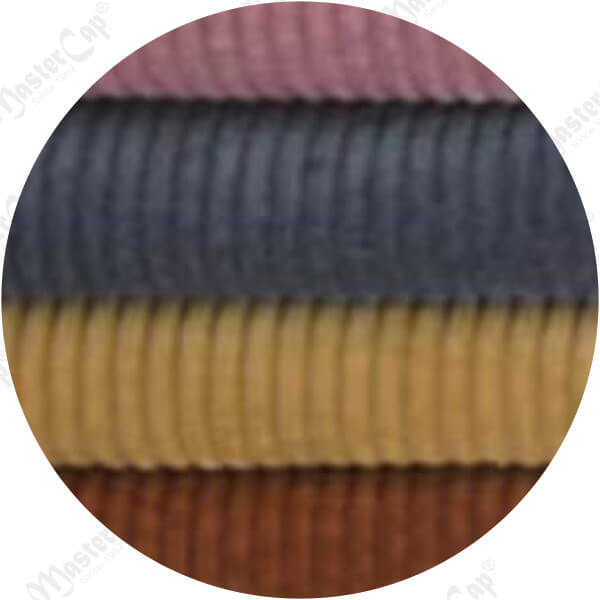
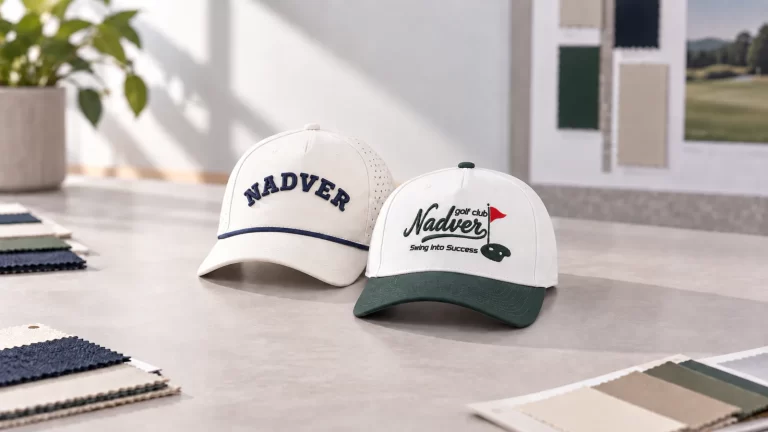
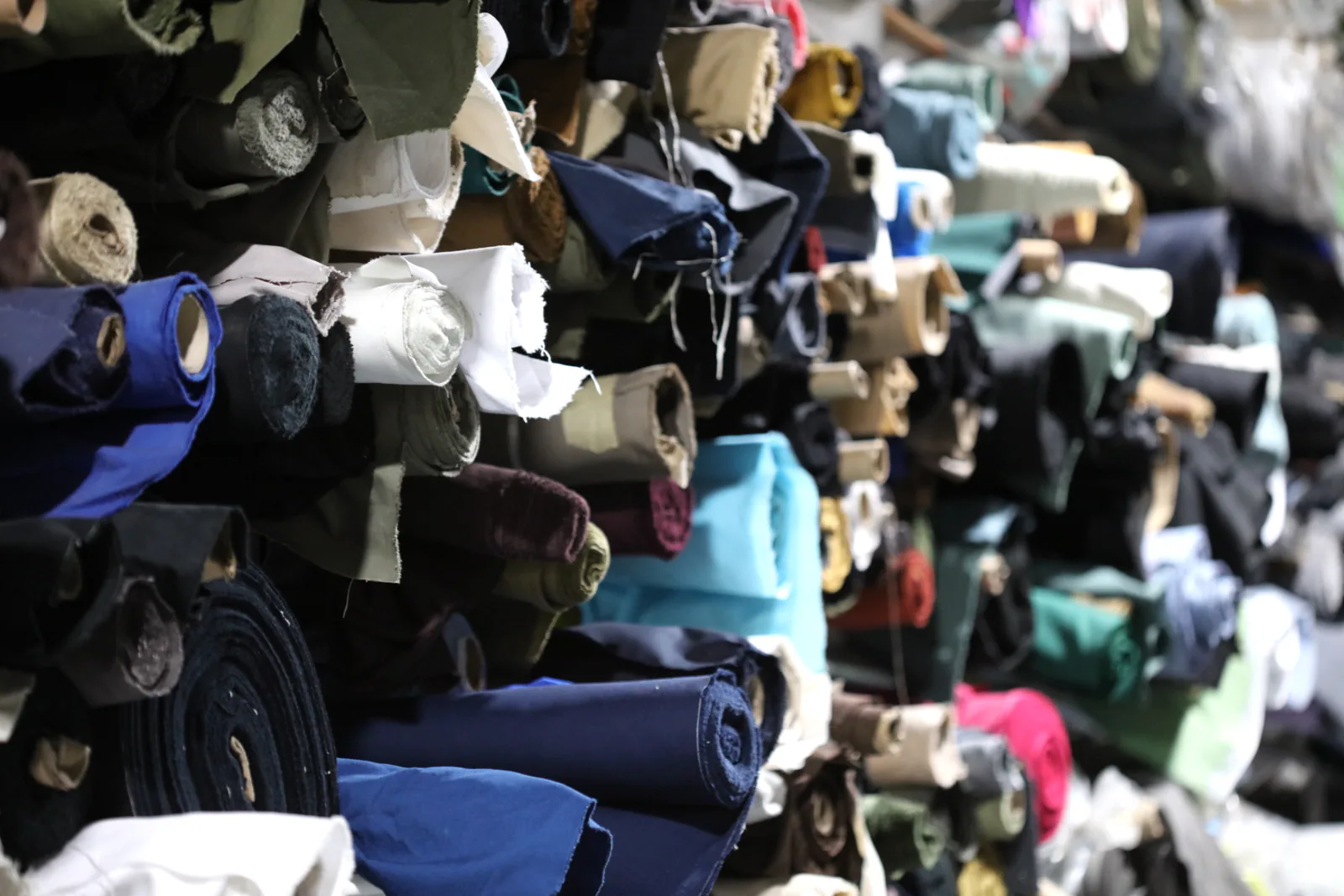
These MasterCap-owned reference images show visibly different surfaces. They do not establish fibre percentage, weight, finish, colorfastness or suitability for a particular order; those details belong in the approved specification.
Knit yarns: assess the complete beanie, not only the fibre blend
For beanies, yarn count, knit structure, gauge, tension and finishing can be as important as fibre content. Review stretch and recovery, length, cuff depth, pom-pom or trim attachment, hand feel and care behaviour on the complete sample. Any warmth or performance description should be supported by an agreed requirement rather than inferred from appearance.
Match the material to decoration and approve the combination
Decoration is applied to a material and construction, not to an abstract artwork file. Dense embroidery can change the way a light or soft panel sits. A coarse texture can reduce the apparent sharpness of fine lines. Heat, pressure, adhesives, inks and transfer films may respond differently across fibres and finishes. The custom cap decoration guide explains the artwork and crown decisions that should be reviewed with the fabric.
- Approve logo size, placement and color on the actual material and crown structure.
- Inspect puckering, distortion, show-through, edge lifting, surface marks and seam interaction.
- Confirm whether backing, interlining or another support changes hand feel or shape.
- Record the fabric reference, artwork revision and decoration settings with the approved sample.
- Repeat approval when a material, finish, supplier lot or decoration method changes materially.
The physical sample is the point where fabric, structure and decoration can be judged together. Use the MOQ, sampling and lead-time guide to plan the approval sequence and record any change that may affect the schedule.
Treat recycled, organic and performance wording as evidence questions
A swatch, hangtag or supplier statement may be useful context, but it is not automatically enough to support a public claim. For recycled content, buyers should identify the exact material, percentage, transaction and chain-of-custody evidence required. The Global Recycled Standard, for example, uses certification and chain-of-custody requirements; a generic “recycled fabric” description should not be treated as equivalent to a scoped GRS claim.
The same discipline applies to organic, water-repellent, waterproof, UV, antimicrobial, cooling and moisture-management wording. Define the claim, applicable component, destination market, test or certificate, issuing entity and validity period. Confirm whether evidence covers the fabric alone or the finished cap. Do not convert a supplier’s broad marketing phrase into a product promise.
Plan fibre and care labelling for the destination market
Labelling requirements vary by market. In the United States, the FTC Textile Fiber Rule covers items such as fibre names and percentages, the responsible business and country of manufacture for covered products. In the European Union, Regulation (EU) No 1007/2011 governs textile fibre names and related composition labelling. Buyers should confirm current product-specific requirements with their own compliance adviser; this guide is not legal advice.
Buyer checklist for a material-ready custom-cap RFQ
- Cap or beanie type, crown structure, visor, closure and target wearer.
- Physical swatch, supplier code or clear reference image for the material direction.
- Fibre composition, construction, weight and finish to be confirmed.
- Color standard, acceptable variation and any wash or aged effect.
- Quantity by style and color, plus acceptable material alternatives.
- Artwork, decoration technique, size and placement.
- Required hand feel, appearance and functional claims stated separately.
- Destination market, fibre/care label text and language requirements.
- Test methods, certificates or transaction evidence required before shipment.
- Sample approval owner and the specification revision that will govern bulk production.
Add this information to the custom cap RFQ framework, then send the proposed specification through the MasterCap contact page. Ask the team to identify available options, assumptions, evidence gaps and any material decision that could change MOQ, sample work or timing.
Frequently asked questions
Is cotton always better than polyester for custom caps?
No. They are different material directions, and neither fibre name defines the complete result. Compare the exact fabric construction, finish, cap design, decoration and required evidence on a physical sample.
Which cap fabric is best for embroidery?
There is no universal winner. Stability, thickness, texture, backing, crown support, artwork density and placement all affect the result. Approve the selected embroidery on the actual cap material and construction.
Does polyester automatically make a cap moisture-wicking or waterproof?
No. Fibre content alone does not prove either claim. The fabric construction, finish and finished product must meet the agreed evidence or test requirement.
Can the material be changed after sample approval?
It can be reconsidered, but the change may affect color, hand feel, fit, decoration, MOQ, cost and schedule. Request a revised quotation and approval route before authorizing bulk production.
Editorial source note: MasterCap’s Fabric & Yarns and How to Custom Design pages were reviewed in the local site source on October 19, 2026. U.S. FTC, EU and Textile Exchange sources were reviewed on the same date. Material availability and project claims remain subject to the approved specification and supporting documents.
Custom Headwear Support
Need help building your next cap collection?
Talk with MasterCap about OEM caps, sample development, materials, decoration options and production planning for your brand.