How to Prepare a Custom Cap RFQ and Compare Suppliers
Learn how to prepare a custom cap RFQ, compare supplier quotes, review landed costs and request the right evidence before placing an order.
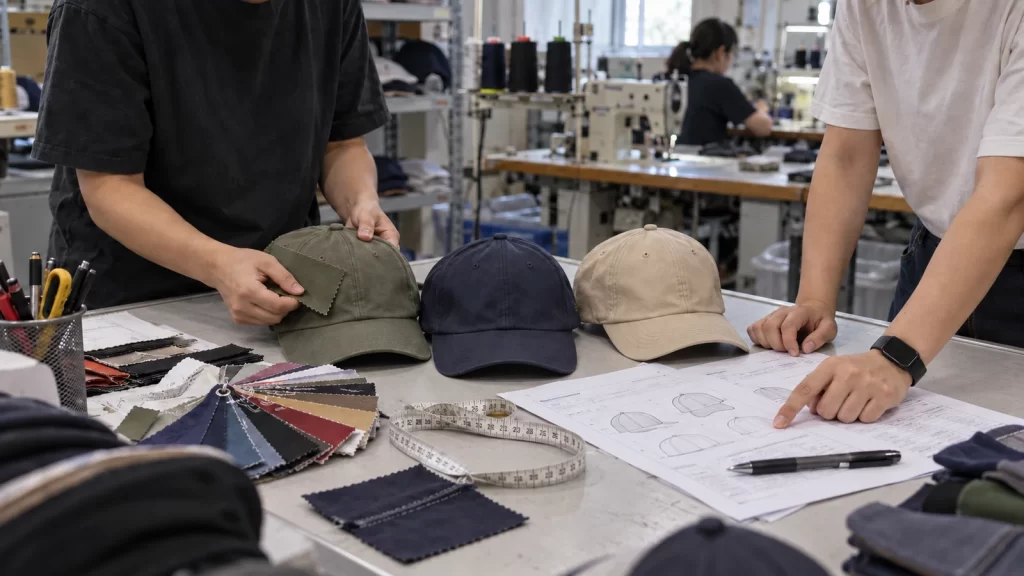
The safest way to compare custom cap suppliers is to send each one the same complete request for quotation (RFQ). Define the cap construction, materials, decoration, quantity, packaging, destination, approval process and required evidence before comparing price. A low unit quote is not comparable when specifications, tooling, freight, duties, testing or quality responsibilities are different.
This guide shows brands and buyers how to prepare a clear request for quotation, compare supplier responses and keep later changes under control. Confirm commercial, legal and testing requirements for the specific order and destination market.
Part 1: Prepare a comparable custom cap RFQ
Start here if this is your first custom cap project. Give every supplier the same product and approval information, and ask each one to list assumptions and exclusions.
1. Normalize the product specification first
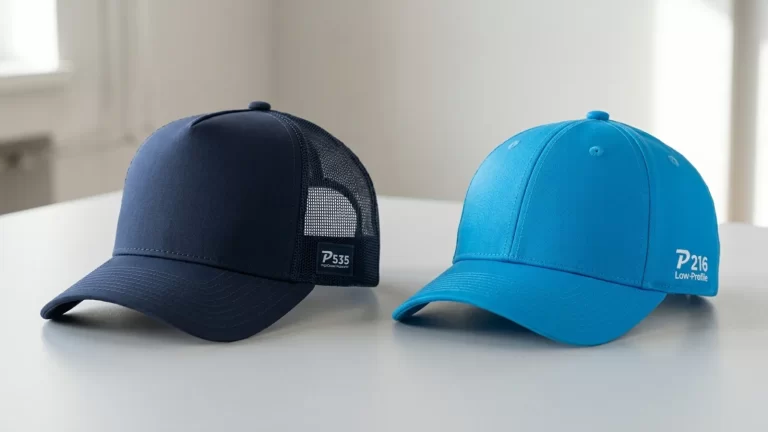
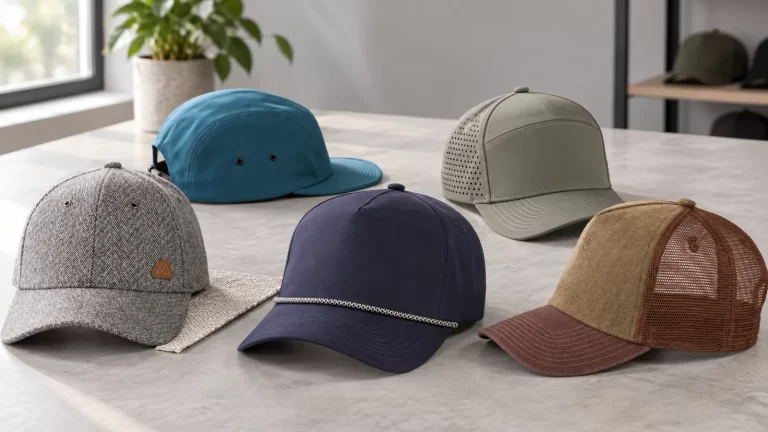
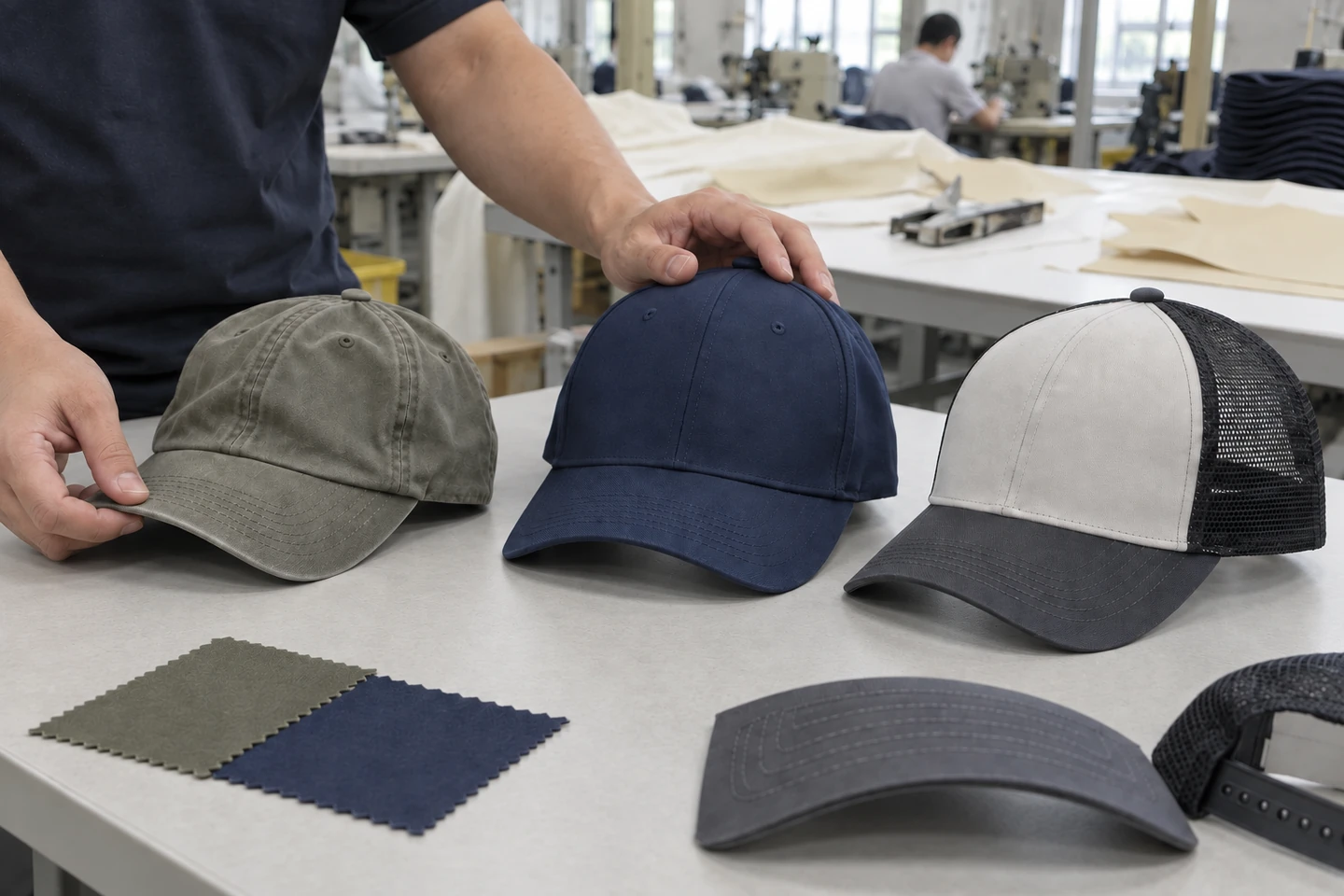
Two caps that look similar in a photograph may use different crown shapes, fabrics, sweatbands, visor inserts, closures and decoration methods. Those differences affect appearance, fit, production method and cost.
| Specification area | Questions to answer |
|---|---|
| Shape and fit | Five or six panels? Structured or unstructured? Low, mid or high profile? What size and fit reference? |
| Visor and closure | Flat or curved? What insert and stitching? Snap, buckle, hook-and-loop, elastic or fitted? |
| Materials | What fabric, mesh, lining, sweatband and trim references are required? |
| Decoration | Embroidery, patch, print, transfer or mixed method? What size, placement and color reference? |
| Brand details | What labels, seam tape, hangtags, stickers, barcodes or packaging are required? |
| Evidence | Which tests, audit documents, inspection records or material declarations apply? |
Use the shape and fit guide to define the silhouette and the decoration guide to narrow the branding method before requesting comparable quotations.
2. Send artwork and color information that can be reviewed
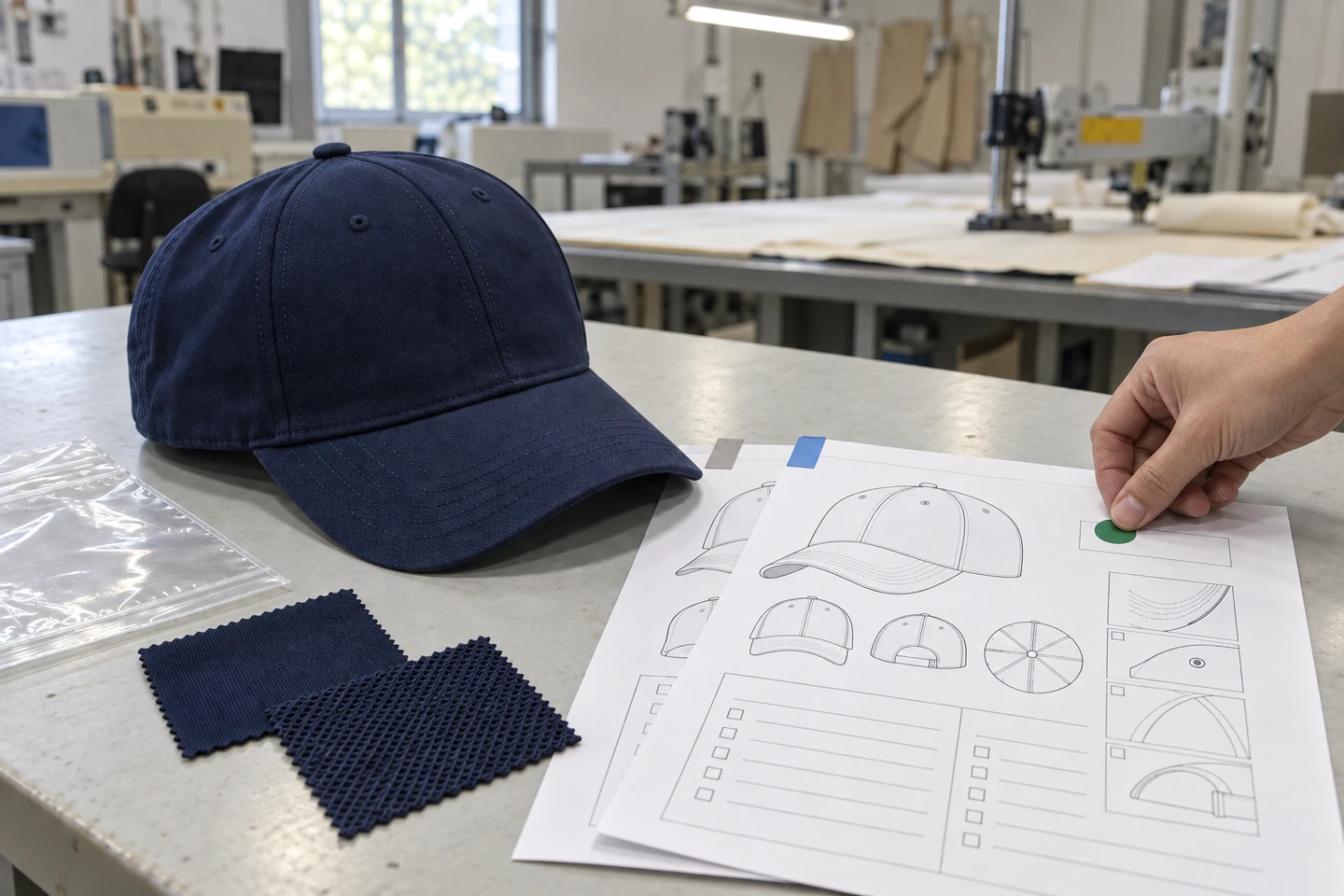
Provide vector artwork when available, plus the intended logo size, position and color references. Explain what is fixed and where supplier advice is welcome. A reference image shows direction, but it does not replace measurements or artwork.
- Label files with version numbers and dates.
- Show dimensions for front, side, back and visor decoration.
- Identify whether colors refer to thread, print, patch, fabric or trim.
- Ask the supplier to flag details that may not reproduce clearly.
- Require written approval before changing a material, color or decoration method.
3. State quantity and assortment clearly
Give quantities by style, color and size. Ten colors in small quantities may create a different production plan from one color at the same total quantity. Separate the initial order from possible future demand so the supplier does not treat a forecast as a firm purchase quantity.
MasterCap’s 2026 company catalog gives a standard MOQ reference of 100 pieces per style, color and size. That is a planning reference, not an unconditional minimum for every design. Materials, processes and the complete specification can change the applicable minimum, which should be confirmed in the project quotation.
4. Define the sample and approval route
A digital mock-up shows approximate placement and scale. A decoration sample checks one embroidery, patch or print detail. A physical cap sample lets the buyer review fit, structure, materials and decoration together.
- Ask what sample type is included or charged separately.
- Confirm which materials and colors are exact and which are only representative.
- Confirm sample shipping, included revisions and extra revision costs.
- Record the approved sample, specification and artwork versions together.
- Do not authorize bulk production until the responsible buyer has documented approval.
Part 2: Compare custom cap suppliers
Use this section after suppliers reply. It helps you compare scope, total cost, evidence, quality controls and overall project fit.
5. Compare quotation scope, not only unit price
| Cost or term | Comparison question |
|---|---|
| Base product | Does the quote use the same fabric, construction, closure, sweatband and trim specification? |
| Decoration | Are digitizing, molds, screens, setup, patches, multiple placements and color counts included? |
| Sampling | What sample type, revisions and sample shipping are included? |
| Labels and packing | Are private labels, hangtags, barcodes, individual packing and cartons included? |
| Testing and inspection | Who arranges and pays for buyer-required tests or third-party inspection? |
| Freight and duty | Which trade term and delivery point apply? Which costs remain with the buyer? |
| Payment | What milestones, currency, fees and supporting documents apply? |
| Validity and assumptions | How long is the quote valid, and which material or freight assumptions may change? |
Request a revised quotation whenever the specification changes. Otherwise the lowest quoted price may refer to a product that is no longer the one being ordered.
6. Calculate total landed cost carefully
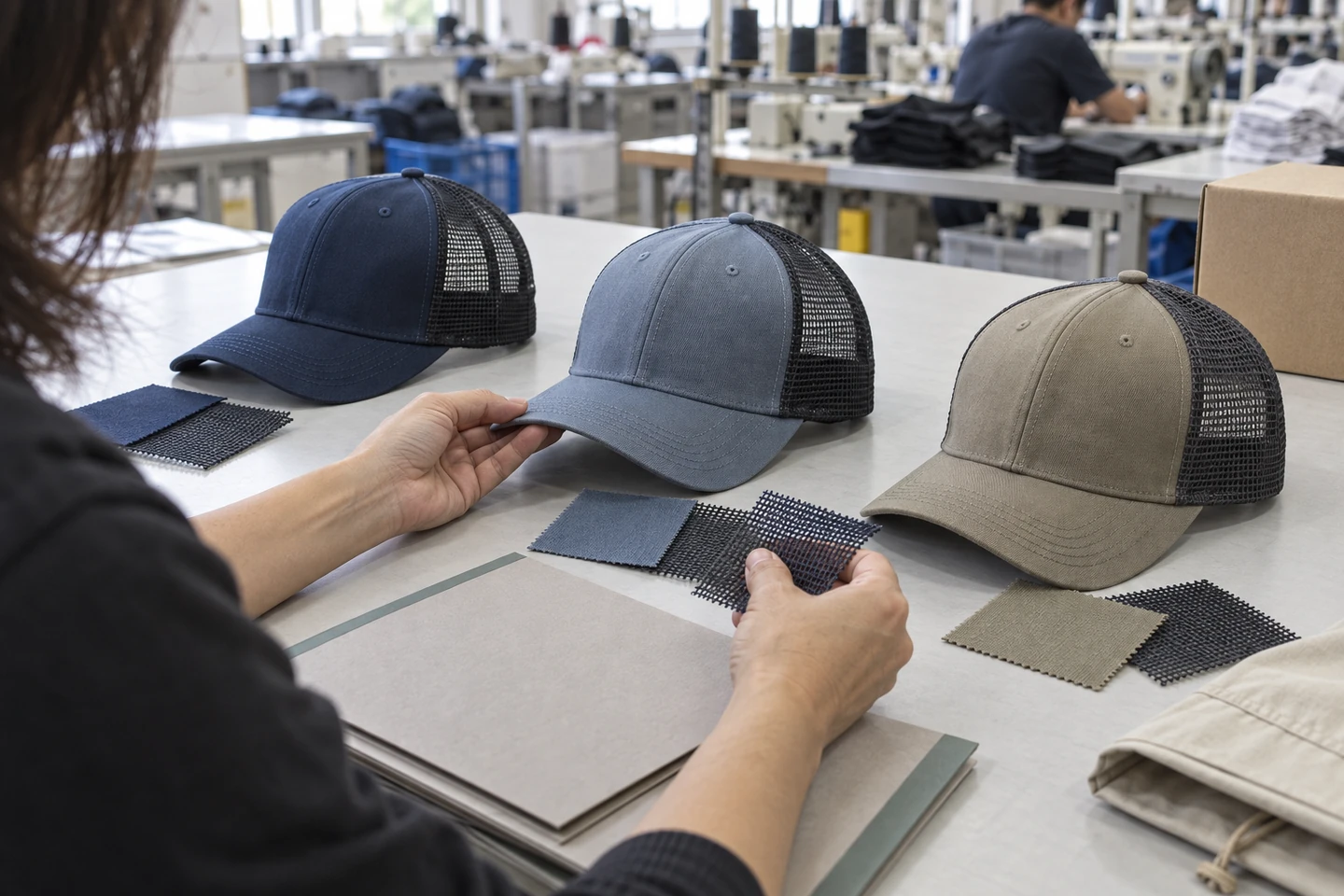
Total landed cost is what it takes to place usable goods at the agreed destination—not only the factory unit price. Depending on the order, it may include decoration, tooling, samples, packaging, inspection, testing, freight, insurance, duty, tax and local delivery. Incoterms® 2020 helps allocate selected tasks, costs and risks, but it does not replace the sales contract.
- Use the same currency and exchange-rate assumption for every supplier.
- Separate one-time tooling or development costs from repeat-order costs.
- Compare air, courier, sea or other freight only with the same shipment assumptions.
- Ask a qualified customs or logistics adviser about classification, duty and tax where required.
- Include the cost of delays, rework or replacement in risk analysis rather than assuming they cannot occur.
7. Request evidence that matches the claim
A logo or certificate name is not enough by itself. Ask for the current document and check its issuer, date, scope, site or legal entity, and product or material coverage.
- Use material or laboratory evidence for material and performance claims.
- Use specifications and approved samples for construction and appearance.
- Use inspection records for order-level checks and current audit reports for factory-audit claims.
- Verify image, logo and artwork rights before publication or production.
MasterCap’s 2026 company catalog states that the company was established in 1997 and lists production factories in Dongguan, Ganzhou and Zhangjiagang. MasterCap has confirmed that BSCI audit documentation is available for buyer due diligence; buyers should request the current report applicable to the production site involved. A factory audit is not a product certification and does not replace product-specific testing or inspection.
8. Agree the quality and change-control process
Ask how the supplier will control approved materials, production records, inspection and changes. For more technical programs, also define the required sampling method, measurements, tolerances, defect classes and response to failed results.
- Who may approve samples and production changes?
- How are revised specifications and artwork identified?
- Which checks occur before, during and after production?
- What records will the buyer receive?
- How are affected goods isolated and corrective action documented?
- When is reinspection required?
For a detailed product review framework, use the custom headwear quality inspection guide. The custom order process can help organize sampling and approvals.
9. Score suppliers using evidence and project fit
For a formal sourcing project, a simple scorecard makes the decision easier to explain. Set the priorities before reviewing final prices.
| Criterion | Possible evidence |
|---|---|
| Specification understanding | Accurate questions, exception list and completed specification review |
| Sample quality | Measured sample, documented deviations and clear revision record |
| Process fit | Capability relevant to the chosen materials, construction and decoration |
| Quality planning | Product-specific control plan, inspection record and corrective-action method |
| Commercial clarity | Itemized quote, assumptions, exclusions, validity and change pricing |
| Communication | Named responsibilities, version control and documented decisions |
| Compliance evidence | Current, applicable documents for the buyer’s program |
| Total landed cost | Comparable product, logistics and risk assumptions |
Custom cap RFQ checklist
- Buyer, brand, destination market and intended use.
- Reference product plus full construction and fit specification.
- Fabric, color, mesh, sweatband, closure and trim requirements.
- Vector artwork, decoration details and placement dimensions.
- Quantity by style, color and size.
- Labels, packaging, barcode and carton requirements.
- Sample type, revisions and approval owner.
- Tests, audit documents, inspection method and defect rules.
- Delivery location, requested trade term and planning date.
- Quotation currency, validity, payment milestones, assumptions and exclusions.
- Change-control process and responsible contacts.
Prepare a clearer request
Before contacting a supplier, review the MasterCap product range or custom cap categories, then gather the specification, artwork, quantities, destination and evidence requirements. Send the completed project brief to MasterCap for specification review and a project-specific response.
Frequently asked questions
Can buyers compare custom cap suppliers by unit price?
Only when the product specification, quantity, decoration, sampling, packaging, inspection, testing, trade term and exclusions are comparable. Otherwise the quotations describe different products or responsibilities.
What information should a custom cap RFQ include?
Include the product specification, vector artwork, placement dimensions, color references, quantity breakdown, sampling and approval route, packaging requirements, destination details, trade term and required tests or documents. Reference images can support the brief but should not replace measurable requirements.
Which costs can sit outside a custom cap unit price?
Possible extras include tooling, development samples, revisions, labels, packaging, testing, inspection, freight, insurance, duty, tax, brokerage and local delivery. Ask each supplier to list inclusions, exclusions and trade-term assumptions.
What evidence should a custom cap supplier provide?
Ask for evidence that matches the claim: specifications and approved samples for the product, material or laboratory documents for performance claims, inspection records for the order, and current site-specific reports for factory-audit claims. A factory audit does not replace product inspection.
Sources and further reading
- U.S. International Trade Administration — Know Your Incoterms: overview of the tasks, costs and risks allocated by Incoterms® 2020 rules and the subjects they do not cover.
- World Trade Organization — Customs Valuation: official background on customs valuation and why import-cost estimates require destination-specific review.
- Amfori producer guidance for requesting a BSCI audit: official context for the site-specific monitoring process.
Custom Headwear Support
Need help building your next cap collection?
Talk with MasterCap about OEM caps, sample development, materials, decoration options and production planning for your brand.