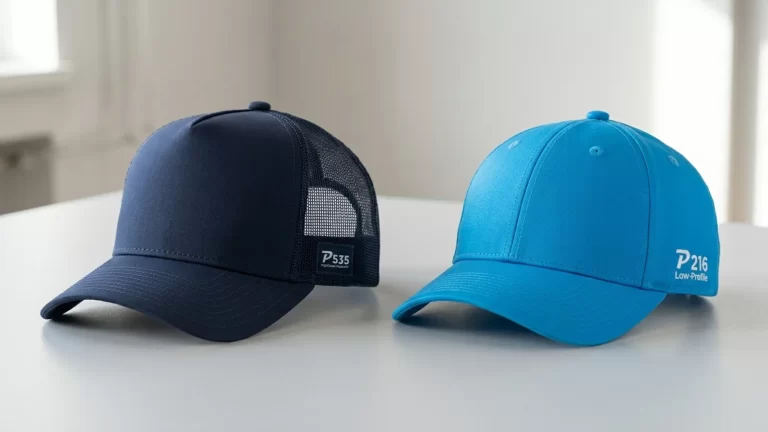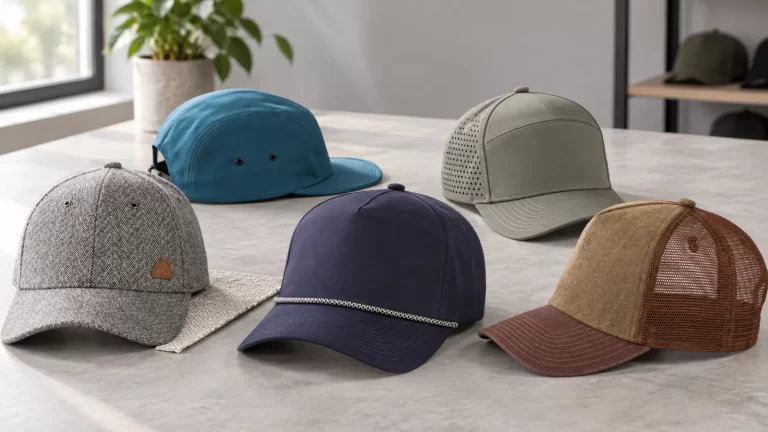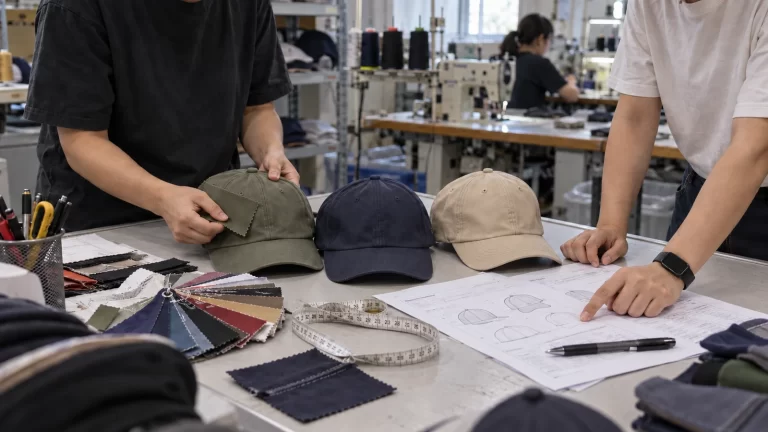
Custom Cap MOQ, Sampling and Lead Times: A Buyer Planning Guide
Plan a custom cap order by understanding MOQ drivers, sample approvals and lead-time dependencies, then use the buyer checklist to request a project-specific schedule.
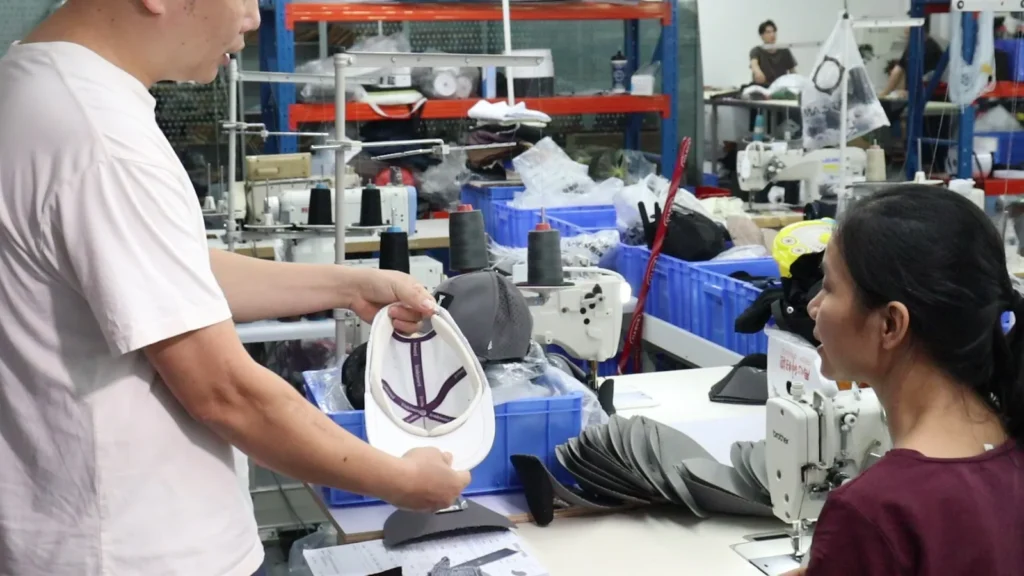
A custom cap minimum order quantity and delivery schedule cannot be assessed from a total unit count alone. A useful planning request specifies the cap construction, fabric, quantities by style, color and size, decoration, sample approvals, destination and target date. Those details let a supplier identify material minimums, development work and production dependencies before confirming a project-specific MOQ and timeline.
This guide is for brand teams, promotional-product buyers and sourcing managers planning a new custom-cap program. It explains what changes a quotation or schedule, what a sample should settle, and how to build a more reliable approval calendar. It is not a price list or a promise that one minimum or lead time applies to every design.
What determines a custom cap MOQ?
MOQ is the smallest quantity a supplier can accept for a defined product and configuration. The relevant unit may depend on how the order is split among styles, colors and sizes—not just the grand total. Available fabric and trims may support a different minimum from a custom-dyed fabric, bespoke component or specialized decoration. The right question is therefore, “What is the minimum for this specification and assortment, and which requirement drives it?”
| Decision | Why it can change the minimum | What the buyer should provide |
|---|---|---|
| Cap construction | Panels, crown support, visor and closure define the components and production setup. | Reference cap or shape/fit choice, front and side views. |
| Fabric and color | Stock availability and any dye or finish requirement affect material sourcing. | Fabric reference, color target and permitted alternatives. |
| Size assortment | Each size may require separate components or production planning. | Quantity by size for each style and color. |
| Decoration and trims | Artwork, placement, tooling or minimum trim purchases may affect feasibility. | Vector artwork, size, location and desired technique. |
| Packing and testing | Buyer-specific labels, packs or tests can change the order scope. | Destination market, labeling, packaging and evidence requirements. |
These factors do not always increase a minimum. They tell the supplier what must be checked. For MasterCap’s current commercial terms, see the Order Process MOQ section and ask the sales team to confirm how the available materials, assortment and specification affect the project. The applicable MOQ should be stated in the written quotation; this guide intentionally does not treat one published figure as universal.
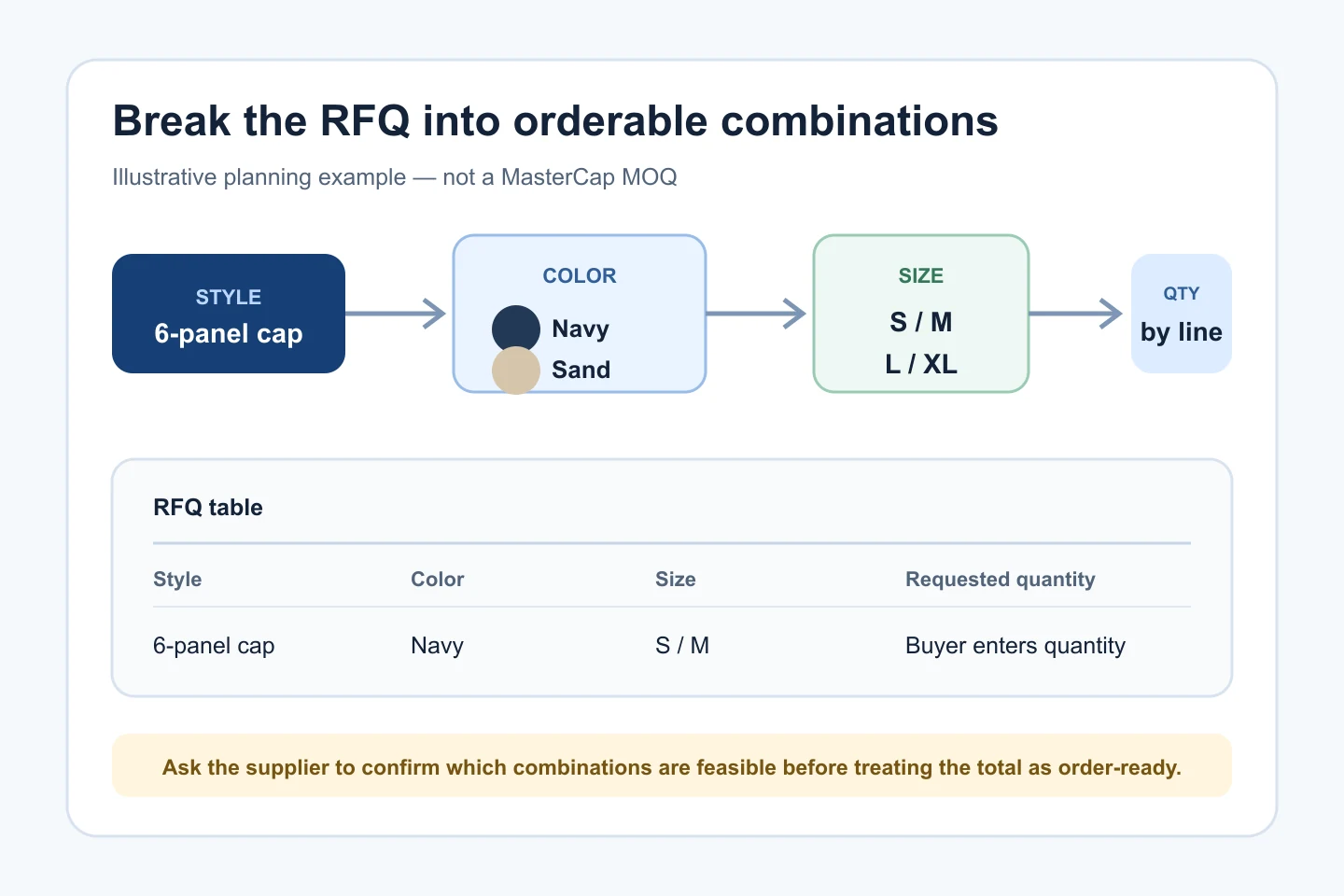
Send a quantity breakdown, not only one total
“We need 600 caps” leaves key questions unanswered. It could mean one cap in one color, or several constructions with different fabrics and decoration. An RFQ becomes more useful when it shows the units planned for each style, color and size. If the assortment is still flexible, say which splits can change and which cannot. That gives the supplier a chance to propose a feasible grouping instead of guessing.
For example, a buyer might compare a single-color cap using an available fabric with a multi-color program that requires a special material. Neither example establishes a universal minimum. The supplier should confirm material availability, component requirements and any development work before giving a firm answer. The custom cap RFQ guide shows how to send the same specification to more than one supplier.
What should sampling settle before bulk production?
A digital mock-up can help align the design direction, but it does not prove fit, hand feel or the finished decoration. Depending on the project, a buyer may review an artwork or decoration test, a physical cap sample, or both. Agree what each stage is intended to verify and who has authority to approve it. Do not assume every program needs the same sequence or number of revisions.
- Construction and fit: crown shape, panel seams, visor, closure, size and wearing position.
- Materials: fabric reference, color, hand feel, mesh, sweatband and trims.
- Branding: artwork version, scale, position, thread or print color, edges and legibility.
- Order details: labels, packing, any required tests and the approved assortment.
Record the approved sample and specification revision together. If fabric, artwork, placement, size or packing changes afterward, ask the supplier whether a new approval or schedule is needed. The Shape & Fit Guide helps define a starting silhouette, while the manufacturing-process guide explains where approvals fit in the wider order journey.
How to plan lead time without relying on one headline number
Work backward from the date the goods are needed at the destination, not merely the date a purchase order is sent. Allow for freight and import steps, packing and inspection, bulk production, material sourcing, sample revision and the time your team needs to make decisions. A timeline is useful only when its start event and excluded steps are clear.
Ask the supplier whether the proposed production clock starts after final sample approval, material confirmation, order acceptance or another specified milestone. Confirm whether the estimate includes testing, outside processes, packing and transport. A complex decoration or delayed approval can shift the calendar even when the sewing operation itself is unchanged. MasterCap’s Order Process page provides general service context, but the written quotation and project schedule should define the start event, included steps and target timing for the order. This guide intentionally avoids presenting one duration as a universal lead time.
Buyer checklist: what to send for a reliable MOQ and schedule answer
- Cap type, reference image and target wearer; preferred crown, visor and closure.
- Fabric and color references, plus acceptable alternatives.
- Quantity by style, color and size; mark any flexible assortment.
- Vector artwork, decoration method, dimensions and placement.
- Labels, packaging, tests and destination-market requirements.
- Sample approval owner, planned review time and number of expected design options.
- Required destination, delivery target and requested trade term.
- Any material, tooling or component already approved for reuse.
Send this information through the MasterCap contact page and ask for a written response that identifies assumptions, exclusions, approval milestones and the point at which the schedule begins. A qualified project answer is more useful than a generic number taken from a different cap.
Frequently asked questions
Can different colors be combined to meet a custom cap MOQ?
Sometimes, but not automatically. Each color may use different fabric or trims. Send the proposed split and ask how the supplier calculates the minimum for that exact configuration.
When does production lead time start?
It starts at the milestone agreed for the order. Buyers should confirm whether sample approval, order acceptance, material availability, payment or another event must occur first; never infer the start from a headline duration.
Does a repeat order use the same MOQ and schedule?
Not necessarily. A repeat order may reuse approved artwork or components, but availability, quantities, colors, season and specifications can change. Request a fresh confirmation against the current revision.
Editorial source note: MasterCap’s public Order Process page was reviewed on October 11, 2026. This guide intentionally does not reproduce its numerical MOQ or timing statements because the applicable terms depend on the proposed specification and written quotation. General planning guidance in this article does not override a quotation, approved sample, purchase order or written delivery agreement.
Custom Headwear Support
Need help building your next cap collection?
Talk with MasterCap about OEM caps, sample development, materials, decoration options and production planning for your brand.